


Research Articles
Want Your Child to Learn Better? Get Them Moving
Reviewed by: Krystal Werfel, Ph.D.
Published: August 2026
Reading time: ~3 min
Here's something every parent and teacher should know: the brain and the body are not separate systems.
When a child moves, their brain pays attention differently. When a child sits still for hours, their brain starts to disengage. And a 2024 study from Boys Town National Research Hospital researchers confirms that this connection between movement and learning is real — measurable — and practically useful for families and educators.
The study was published in the journal Topics in Language Disorders.
What did the researchers test?
The Boys Town team looked at whether integrating physical activity into virtual learning sessions helped children learn and retain new vocabulary words. Half of the children in the study were deaf or hard of hearing — a population for whom vocabulary development is often an area of particular challenge, and for whom finding effective instructional approaches is especially important. The other half of the study group had typical hearing.
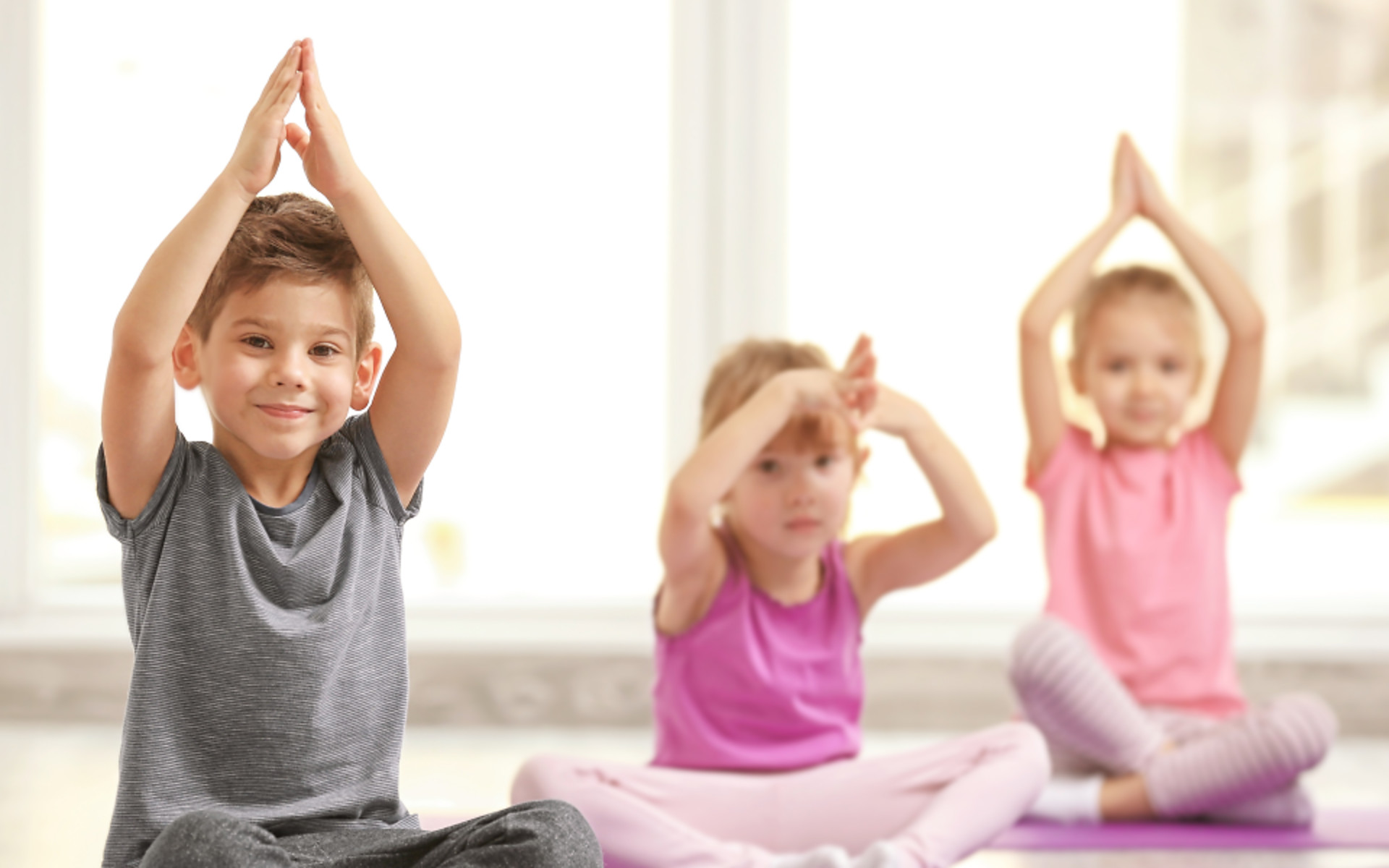
The researchers compared different types of movement: brief structured movement breaks (jumping jacks) and movements tied to the learning content (yoga) to no physical activity during learning segments.
What did they find?
Children learned more words with physical activity integrated into their virtual learning sessions than when they did not have physical activity integrated. But, type of movement mattered. The effect wasn’t consistent across different types of movement — children who are deaf and hard of hearing benefited more from structured movement breaks whereas children with typical hearing benefited more from physical activity tied to the learning content.
The message is clear: adding movement to learning isn't a distraction. It's a pedagogical tool. And, not all physical activities are equally helpful: a child’s listening status influenced which movement was most helpful.
Why does movement help the brain learn?
Physical activity increases blood flow to the brain, which enhances attention and processing speed. It triggers the release of neurotransmitters — including dopamine and BDNF (brain-derived neurotrophic factor) — that support memory consolidation and mood regulation. It breaks the fatigue that comes from sustained cognitive effort.
In other words, movement can reset the brain. A child who has been sitting and concentrating for 30 minutes and then gets up to move for five minutes is likely better prepared to learn in the next 30 minutes than one who continued sitting.
How can families use this at home?
As back-to-school season brings new homework routines, consider building movement into your child's learning time. A few ideas:
Take a movement break between subjects. Do 10 jumping jacks before starting a hard assignment. Go for a short walk after school before sitting down to homework. Integrate movements that are tied to the content being learned. Use physical activity as a reward for focused work — not a distraction from it. Most importantly: figure out what works best for your child. Some movements are more helpful than others.
Small changes to daily routines can have measurable effects on learning. Boys Town's research proves it.
Want to read the research yourself?
Werfel KL, Lund EA. "Effects of Integrating Different Types of Physical Activity into Virtual Rapid Word Learning Instruction for Children who are Deaf and Hard of Hearing." Topics in Language Disorders, 2024.
Published Article
The article of record on the publisher's website. DOI: 10.1121/10.0042364|
PubMed
PubMed is the National Library of Medicine's index of biomedical research, where you can view this publication's citation and abstract.
PubMed Central
PubMed Central is the National Library of Medicine's free full-text archive, where you can read the complete article.